
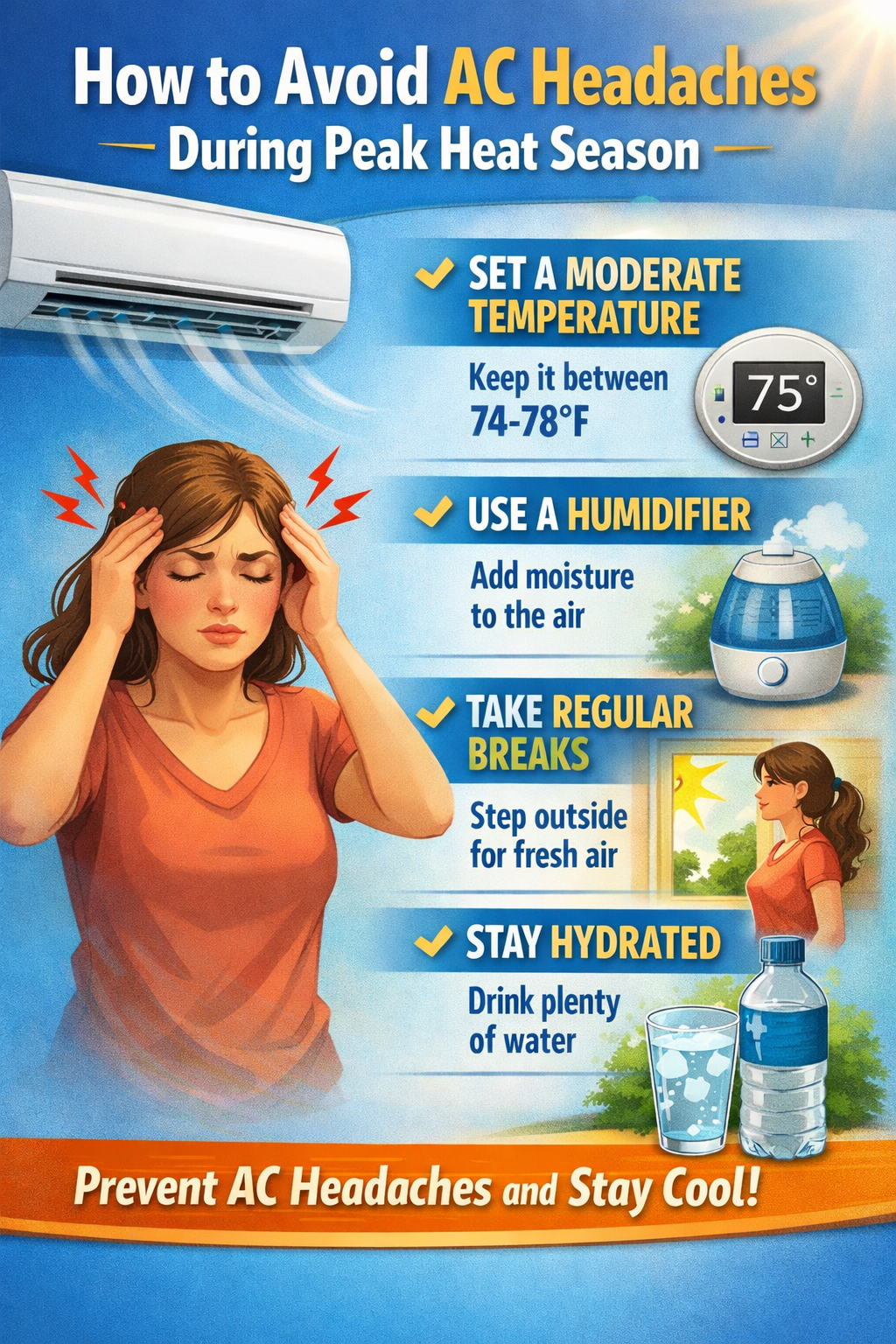
When temperatures soar during the hottest months of the year, your air conditioner becomes one of the most important systems in your home. The last thing any homeowner wants is to deal with an unexpected breakdown during a heatwave. Unfortunately, many cooling problems occur when AC systems are working at maximum capacity. Taking a few preventative steps before and during peak heat season can help you stay comfortable while avoiding costly repairs and unnecessary stress.
If you’ve noticed unusual noises, weak airflow, or inconsistent cooling, it may be time to consult an experienced AC contractor Royal Palm Beach, FL homeowners trust for professional maintenance and inspections. Along with expert service, there are several simple maintenance practices you can follow to keep your system running efficiently throughout the summer.
Change Air Filters Regularly
One of the easiest ways to prevent air conditioning problems is by replacing your air filter on a regular schedule. A clogged or dirty filter restricts airflow, forcing your system to work harder to cool your home.
When airflow is reduced, the system may experience higher energy consumption, uneven cooling, and increased wear on components. Depending on the type of filter and household conditions, many homeowners should check filters monthly and replace them every one to three months.
If you have pets, allergies, or a larger household, more frequent filter changes may be necessary.
Keep the Outdoor Unit Clear
Your outdoor condenser unit plays a critical role in releasing heat from your home. During peak heat season, the unit needs unrestricted airflow to operate efficiently.
Inspect the area around the condenser and remove leaves, weeds, grass clippings, and other debris. Shrubs and plants should be trimmed back to allow several feet of clearance around the unit.
A blocked condenser can reduce cooling performance and increase the likelihood of overheating, which may lead to costly repairs if ignored.
Schedule Preventive Maintenance
Many air conditioning issues develop gradually and often go unnoticed until the system fails. Annual maintenance inspections can identify worn components, refrigerant issues, electrical concerns, and airflow problems before they become serious.
Professional technicians can clean coils, inspect moving parts, test system performance, and verify that all components are functioning properly. Preventive maintenance helps improve efficiency, extend equipment life, and reduce the risk of emergency breakdowns during the hottest days of the year.
Ideally, homeowners should schedule maintenance before summer arrives, but it is never too late to have the system inspected if it has not been serviced recently.
Pay Attention to Warning Signs
Your air conditioner often provides early clues when something is wrong. Ignoring these signs can allow small issues to turn into larger, more expensive problems.
Some common warning signs include:
- Warm air coming from vents
- Weak airflow
- Unusual noises
- Strange odors
- Frequent cycling on and off
- Rising energy bills
- Uneven temperatures throughout the home
If you notice any of these symptoms, addressing them promptly can help prevent a complete system failure during extreme heat.
Use Your Thermostat Wisely
Many homeowners unintentionally place unnecessary strain on their cooling systems through thermostat settings. While it may be tempting to drastically lower the temperature during a heatwave, doing so does not cool the home faster.
Instead, maintain a consistent temperature that balances comfort and efficiency. Programmable or smart thermostats can help manage cooling schedules automatically, reducing system workload when no one is home.
Even small adjustments can lower energy consumption and reduce wear on your air conditioning equipment over time.
Improve Your Home’s Energy Efficiency
Your AC system works harder when cool air escapes from the home. Improving energy efficiency can reduce strain on the system and help maintain comfortable indoor temperatures.
Consider these simple upgrades:
- Seal gaps around windows and doors
- Add weatherstripping where needed
- Improve attic insulation
- Use blackout curtains during peak sunlight hours
- Run ceiling fans to improve air circulation
These measures help keep conditioned air inside while reducing the amount of work required from your air conditioner.
Avoid Overworking the System
During periods of extreme heat, it is important to help your air conditioner by minimizing indoor heat generation whenever possible.
Try to limit activities that create excess heat during the hottest parts of the day. Cooking with ovens, running clothes dryers, and using heat-producing appliances can increase indoor temperatures and force your AC system to work harder.
Whenever possible, use appliances during the early morning or evening hours when temperatures are lower.
Don’t Ignore Refrigerant Issues
Refrigerant is essential for the cooling process. If refrigerant levels are low due to a leak, your system may struggle to cool the home effectively.
Common signs of refrigerant problems include:
- Reduced cooling performance
- Ice buildup on coils
- Hissing sounds near the unit
- Longer cooling cycles
Because refrigerant handling requires specialized training, any suspected refrigerant issue should be evaluated by a qualified HVAC professional.
Conclusion
Peak heat season places significant demands on your air conditioning system, making proactive maintenance more important than ever. Simple steps such as changing filters, keeping the outdoor unit clean, monitoring performance, and scheduling routine inspections can go a long way toward preventing unexpected breakdowns.
By staying attentive to warning signs and taking preventive action, homeowners can enjoy reliable cooling, improved energy efficiency, and greater peace of mind throughout the hottest months of the year. A little preparation today can help you avoid major AC headaches when temperatures reach their peak.
