
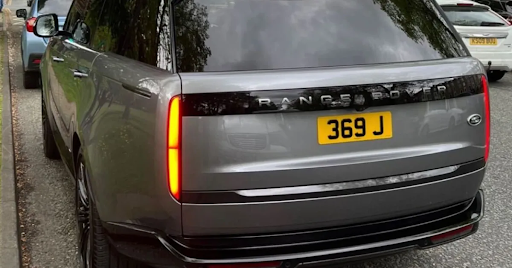
Private number plates were once a niche indulgence—something spotted on supercars or associated with celebrities and business owners. Today, they’ve become a mainstream form of personal expression across the UK, appearing on family hatchbacks, electric vehicles, and company cars alike. This steady rise reflects a shift in how motorists view their vehicles: not just as transport, but as an extension of identity.
From Status Symbol to Personal Statement
Historically, private plates were closely tied to prestige. Short letter combinations and low numbers carried an air of exclusivity, often commanding eye-watering prices. While that top end of the market still exists, the modern appeal of private plates is broader and more accessible.
Many drivers now choose plates that reference initials, names, or meaningful dates. The motivation is less about showing wealth and more about standing out subtly. In an era where cars are increasingly similar in design, a personalised registration offers a simple way to add individuality without altering the vehicle itself.
A Growing Digital Marketplace
One of the key drivers behind the surge in private plate ownership is ease of access. Online marketplaces and DVLA tools have simplified the buying, transferring, and assigning process. What once required specialist brokers and paperwork can now be handled in minutes.
Search tools allow buyers to experiment with letter and number combinations, opening up creative possibilities. This has encouraged younger drivers and first-time buyers to enter the market, fuelling demand beyond traditional collectors.
Investment Appeal and Asset Value
Private number plates are also increasingly viewed as alternative assets. Unlike vehicles, which depreciate the moment they leave the showroom, many plates retain their value—or appreciate over time. Scarcity plays a significant role: once a desirable combination is registered, it can’t be replicated.
For some, this has transformed private plates into long-term holds rather than cosmetic purchases. They can be transferred between vehicles, sold on, or even passed down through families, giving them a longevity that few motoring accessories can match.
Business Branding on the Move
The rise in self-employment and small businesses across the UK has also boosted interest in private registrations. Entrepreneurs often use plates that hint at their trade or brand name, turning everyday driving into mobile advertising. Unlike traditional signage or vehicle wraps, a personalised plate feels understated yet intentional.
This trend is especially popular among tradespeople, consultants, and regional businesses looking to appear established and memorable without overt promotion.
Cultural Shifts and Social Media Influence
Social media has played an unexpected role in the popularity of private number plates. Platforms that celebrate car culture, entrepreneurship, and lifestyle aesthetics have normalised personalised registrations as part of a “finished” vehicle look. Seeing relatable influencers and everyday drivers with private plates has helped remove the perception that they’re only for the elite.
At the same time, changing attitudes toward ownership—where experiences and personal branding matter more than traditional status markers—have made private plates feel relevant to modern British culture.
A Lasting Trend Rather Than a Fad
With vehicle electrification, subscription models, and shared mobility reshaping how people use cars, it might seem surprising that private number plates continue to grow in popularity. Yet their portability is precisely what gives them staying power. The plate belongs to the person, not the car.
As long as drivers value individuality, legacy, and subtle self-expression, private number plates are likely to remain a distinctive part of the UK’s motoring landscape—quietly evolving from luxury curiosity to everyday personal signature.
