
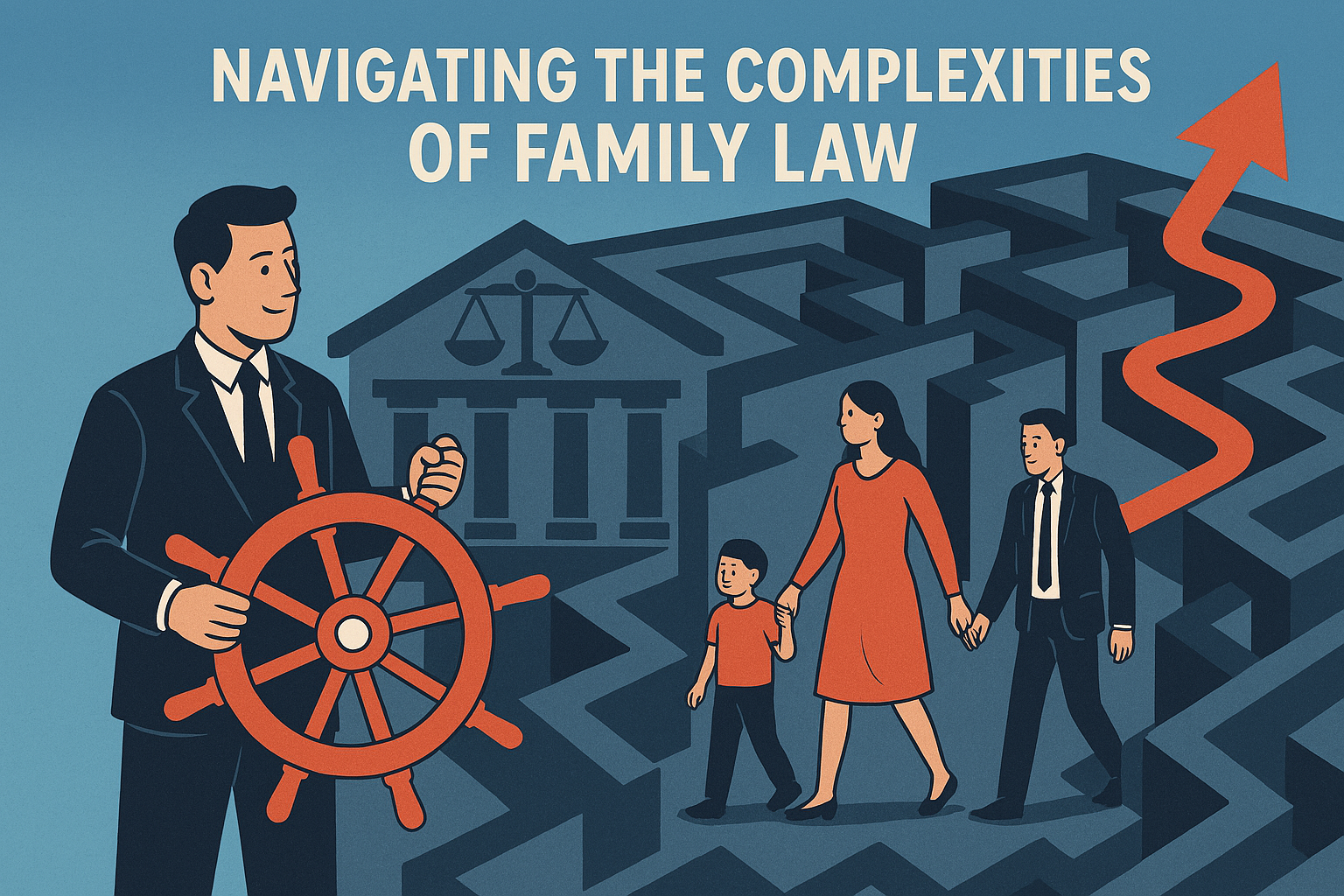
Family law is a specialized area of legal practice that deals with issues related to familial relationships, including marriage, divorce, child custody, and adoption. It encompasses a wide range of legal matters that affect individuals and families, often during some of the most challenging times in their lives. The primary goal of family law is to resolve disputes and provide legal solutions that are in the best interest of all parties involved, particularly children.
Family law varies significantly from one jurisdiction to another, influenced by local statutes, case law, and cultural norms. At its core, family law addresses the legal rights and responsibilities of individuals within familial structures. This includes the formation and dissolution of marriages, the establishment of parental rights, and the enforcement of child support obligations.
Family law also encompasses issues such as domestic violence, adoption processes, and the legal recognition of non-traditional family arrangements. Understanding these foundational elements is crucial for anyone navigating the complexities of family law, whether they are seeking to establish a new family unit or dissolve an existing one.
Navigating Child Custody and Visitation Rights
Child custody and visitation rights are among the most contentious issues in family law. When parents separate or divorce, determining who will have legal and physical custody of their children can lead to intense disputes. Courts typically prioritize the best interests of the child when making custody determinations.
This principle encompasses various factors, including the child’s age, emotional ties to each parent, and the stability of each parent’s home environment. In many jurisdictions, there are two types of custody: legal custody, which refers to the right to make significant decisions about a child’s upbringing, and physical custody, which pertains to where the child will live. Visitation rights come into play when one parent is granted primary physical custody while the other parent is awarded visitation privileges.
These arrangements can be structured in numerous ways, from fixed schedules to more flexible agreements that allow for shared parenting time. In some cases, supervised visitation may be mandated if there are concerns about a parent’s ability to provide a safe environment for the child. The court may also consider the child’s preferences as they grow older, particularly if they are deemed mature enough to express their wishes regarding custody and visitation.
Divorce and Property Division
Divorce is often a complex and emotionally charged process that involves not only the dissolution of a marriage but also the division of shared assets and liabilities. The approach to property division can vary significantly depending on whether a jurisdiction follows community property or equitable distribution principles. In community property states, assets acquired during the marriage are typically considered jointly owned and are divided equally upon divorce.
Conversely, equitable distribution states allow for a more subjective approach, where assets are divided based on what is deemed fair, taking into account various factors such as each spouse’s financial contributions and future earning potential.
The division of property can include tangible assets like real estate and personal belongings, as well as intangible assets such as retirement accounts and investments. Additionally, debts incurred during the marriage must also be addressed during the divorce process. Be mindful of time limits in divorce cases as well.
It is essential for individuals going through a divorce to have a clear understanding of their financial situation and to gather all relevant documentation regarding assets and liabilities. This information will be crucial in negotiations or court proceedings aimed at achieving a fair division of property.
Alimony and Spousal Support
Alimony, also known as spousal support or maintenance, is a financial obligation that one spouse may be required to pay to the other following a divorce. The purpose of alimony is to provide financial support to a lower-earning or non-working spouse during their transition to financial independence. The determination of alimony can be influenced by several factors, including the length of the marriage, the standard of living established during the marriage, and each spouse’s financial resources and earning capacity.
There are different types of alimony arrangements that may be awarded by the court. Temporary alimony may be granted during divorce proceedings to help maintain a spouse’s standard of living until a final settlement is reached. Rehabilitative alimony is designed to support a spouse while they acquire education or training necessary for employment.
Permanent alimony may be awarded in long-term marriages where one spouse may not be able to achieve self-sufficiency due to age or health issues. The specifics of alimony can vary widely based on jurisdictional laws and individual circumstances.
Domestic Violence and Restraining Orders
Domestic violence is a serious issue that intersects with family law in profound ways. Victims of domestic violence may seek legal protection through restraining orders or protective orders that prohibit an abuser from contacting or approaching them. These orders can provide immediate relief for victims by establishing legal boundaries that protect their safety and well-being.
In many jurisdictions, obtaining a restraining order involves filing a petition with the court, which may require evidence of abuse or threats. The legal process surrounding domestic violence cases can be complex and emotionally taxing for victims. Courts often prioritize these cases due to their urgent nature, but navigating the system can still be daunting.
Victims may need to gather documentation such as police reports, medical records, or witness statements to support their claims. Additionally, many jurisdictions offer resources such as legal aid services or domestic violence shelters that can assist victims in understanding their rights and options under family law.
Adoption and Surrogacy
Adoption is a legal process through which an individual or couple becomes the legal parent(s) of a child who is not biologically theirs. The adoption process can vary significantly depending on whether it involves domestic adoption, international adoption, or stepparent adoption. Each type has its own set of legal requirements and procedures that must be followed to ensure that the adoption is valid and recognized by law.
For instance, domestic adoptions often require home studies and background checks to assess the suitability of prospective parents. Surrogacy is another avenue through which individuals can expand their families but involves its own unique legal considerations. In gestational surrogacy arrangements, a surrogate carries a child conceived through in vitro fertilization using an egg and sperm from intended parents or donors.
Legal agreements are essential in surrogacy cases to clarify parental rights and responsibilities before conception occurs. The laws governing surrogacy vary widely by jurisdiction; some states have well-defined statutes while others may lack clear regulations altogether.
Paternity and Parental Rights
Establishing paternity is crucial for determining parental rights and responsibilities in family law cases involving children born outside of marriage. Paternity can be established through various means, including voluntary acknowledgment by both parents or through genetic testing ordered by the court. Once paternity is established, it grants fathers legal rights concerning custody, visitation, and child support obligations.
This recognition is vital not only for fathers seeking involvement in their children’s lives but also for children who benefit from knowing their biological heritage. Parental rights extend beyond mere acknowledgment of paternity; they encompass responsibilities such as providing financial support and making decisions regarding a child’s upbringing. In cases where paternity is disputed or unacknowledged, legal intervention may be necessary to resolve these issues.
Courts often consider the best interests of the child when adjudicating matters related to parental rights, ensuring that children have access to both parents whenever possible.
Navigating the Legal Process and Finding the Right Representation
Navigating family law matters can be overwhelming due to their emotional complexity and legal intricacies. Individuals facing issues such as divorce, custody disputes, or domestic violence often benefit from seeking professional legal representation. An experienced divorce lawyer can provide invaluable guidance throughout the process, helping clients understand their rights and options while advocating on their behalf in negotiations or court proceedings.
When selecting an attorney, it is essential to consider factors such as their experience in family law, familiarity with local laws and procedures, and their approach to client communication. Many attorneys offer initial consultations where potential clients can discuss their cases and assess whether they feel comfortable with the attorney’s style and expertise. Building a strong attorney-client relationship is crucial for effectively navigating family law matters; clients should feel empowered to ask questions and express concerns throughout their legal journey.
