
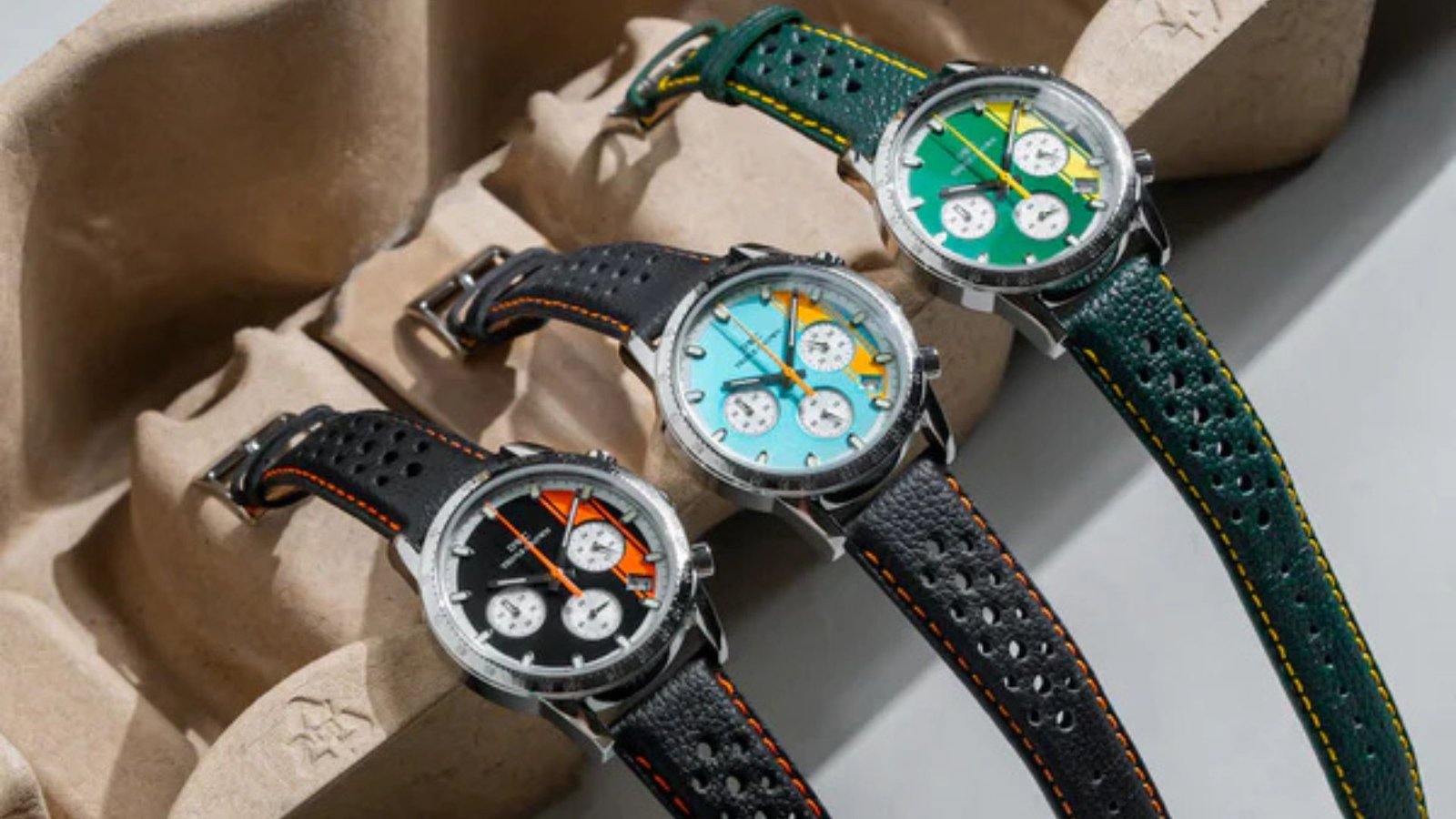
Time shapes how we live, work and reflect. It dictates our routines and frames our memories, yet in an age where the time is always visible on a screen, it is easy to forget how meaningful the act of measuring it once was. Watches, particularly those worn daily, still hold a quiet significance. They are not simply tools. They are objects that carry identity, intention and a sense of continuity.
For many men, a watch is one of the few accessories worn consistently. It becomes part of everyday life, as familiar as a wallet or a favourite pair of shoes. This familiarity is precisely why watches continue to matter. They sit at the intersection of practicality and personal style, offering something that technology alone cannot replicate.
Men’s watches as everyday companions
Looking closely at men’s watches reveals how deeply these objects are woven into daily life. A watch is often the first thing put on in the morning and the last thing removed at night. It accompanies its wearer through meetings, journeys, celebrations and quiet moments alike.
Unlike accessories chosen for specific occasions, a watch adapts. It becomes a companion rather than a statement. Its presence is constant but unobtrusive, offering function without distraction. This subtlety is part of its appeal. A watch does not demand attention, yet it is always there when needed.
In this way, watches reflect a particular approach to living. They suggest preparedness and intention, an awareness of time without an obsession with it. For men who value balance, this understated reliability feels increasingly relevant.
Style that speaks quietly
Fashion often celebrates boldness, yet there is power in restraint. Watches embody this principle. They rarely shout, but they communicate a great deal. The choice of a watch can hint at personality, values and lifestyle without a single word being spoken.
Some men gravitate towards classic designs with clean lines and minimal detail. Others prefer pieces with weight, texture or historical character. Neither choice is about following trends. Instead, it is about alignment with personal taste.
This quiet expression suits modern style sensibilities, where confidence is conveyed through simplicity rather than excess. A watch complements an outfit rather than defining it, allowing the wearer to remain the focus.
The role of watches in modern masculinity
Ideas around masculinity have evolved, becoming more nuanced and personal. Watches have adapted alongside these shifts. No longer symbols of status alone, they are now expressions of individuality and self-awareness.
Wearing a watch can feel grounding. It encourages a connection to routine and responsibility without rigid expectations. For some, it represents professionalism and reliability. For others, it is about craftsmanship and appreciation for detail.
In all cases, the watch serves as a reminder that masculinity does not need to be loud to be assured. Quiet confidence, expressed through thoughtful choices, carries its own strength.
Craftsmanship and connection
One of the enduring appeals of watches lies in their craftsmanship. Even in an era of mass production, watches often retain elements of traditional design and engineering. This connection to skill and precision resonates with those who value how things are made.
A well-constructed watch feels solid and purposeful. The movement inside, whether mechanical or quartz, represents careful assembly and attention to detail. Wearing such an object fosters respect for craftsmanship and patience.
This appreciation extends beyond the watch itself. It encourages a broader mindset that values quality over speed, depth over surface. In a culture often driven by immediacy, this slower perspective feels refreshing.
Watches and the passage of time
Time is abstract until we mark it. Watches give shape to passing moments, turning hours into something tangible. This relationship between object and experience gives watches emotional depth.
Over the years of wear, a watch becomes associated with memories. A promotion, a journey, a significant change in life. These moments become woven into the object itself. The watch carries them silently, growing more meaningful with time.
This emotional accumulation is rare among modern possessions. It transforms a functional item into a personal archive, reminding its wearer of where they have been and how far they have come.
A practical choice in a digital age
Despite the dominance of smartphones, watches remain remarkably practical. Checking the time on a wrist is faster and less intrusive than reaching for a device. It avoids distraction and supports focus.
This practicality appeals to men seeking simplicity. A watch does one job well and does not ask for attention beyond that. It does not buzz, light up, or demand interaction. It simply works.
In an age of constant alerts, this restraint is valuable. It allows wearers to engage with time on their own terms rather than reacting to external prompts.
Versatility across occasions
One of the strengths of watches is their versatility. A single piece can suit multiple settings, from professional environments to informal gatherings. This adaptability reduces the need for constant change.
Choosing a watch that transitions easily between contexts reflects a thoughtful approach to style. It prioritises cohesion over novelty. For men who prefer streamlined wardrobes, this makes watches especially appealing.
Rather than owning numerous accessories for different roles, one well-chosen watch can serve as a consistent anchor. It brings continuity to changing circumstances.
Watches as meaningful gifts
Watches also hold a special place in the realm of gifting. They are often chosen to mark milestones, achievements or transitions. Their durability makes them suitable for moments meant to last.
Receiving a watch can feel deeply personal. It suggests trust and understanding, an acknowledgement of the recipient’s journey. Each time the watch is worn, it recalls the giver and the occasion.
For men, such gifts often become treasured items. They are not easily replaced or forgotten. Instead, they grow in significance as time passes.
Care, longevity and responsibility
Owning a watch encourages a sense of responsibility. It requires care, whether through regular servicing or mindful storage. This attention extends its life and deepens the relationship between wearer and object.
In contrast to disposable culture, watches invite maintenance rather than replacement. This approach aligns with growing awareness around sustainability and mindful consumption.
Caring for a watch becomes a small but meaningful act, reinforcing the value of preserving what we own rather than constantly seeking newness.
A timeless presence in contemporary life
Watches continue to occupy a unique space in modern life. They are neither outdated nor overtaken by technology. Instead, they exist alongside digital tools, offering something different.
For men navigating busy schedules and shifting expectations, watches provide stability. They remind us that time is not just something to manage, but something to experience.
Men’s watches endure because they speak to this deeper relationship with time. They offer function, style and meaning in equal measure. In a world that moves quickly, their steady presence feels more relevant than ever.
