
Creating Culinary Experiences that Inspire
In the realm of corporate events, food serves a dual purpose. It not only nourishes attendees but also plays a pivotal role in shaping the event’s atmosphere. Exceptional corporate catering transcends mere meal provision; it is about creating an immersive experience that captivates all the senses. Thoughtfully crafted menus can evoke emotions and spark conversations, making food a channel for connection. This art form begins with understanding the objectives of the gathering be it networking, celebrating achievements, or encouraging collaboration. Caterers must harness creativity to design dishes that reflect the company’s culture and values, turning everyday dining into an extraordinary gastronomic journey.
Understanding Dietary Needs: Inclusive Menus for Diverse Teams
Today’s workforce is diverse, embodying a rich tapestry of cultural backgrounds, dietary restrictions, and ethical choices. Crafting an inclusive menu is paramount for corporate catering services, as they must cater to gluten-free, vegan, vegetarian, and even allergen-sensitive diets. A well-strategized approach includes soliciting dietary preferences ahead of time, ensuring that everyone feels considered and valued. A thoughtfully curated menu demonstrates respect and awareness, fostering an inclusive environment. By providing delectable options for various dietary needs, catering services can enhance attendees’ overall experiences eliminating the embarrassment of dietary limitations and allowing all guests to engage fully. Consequently, companies can showcase their commitment to diversity and employee well-being through their catering choices.
The Role of Presentation: Making Every Dish a Work of Art
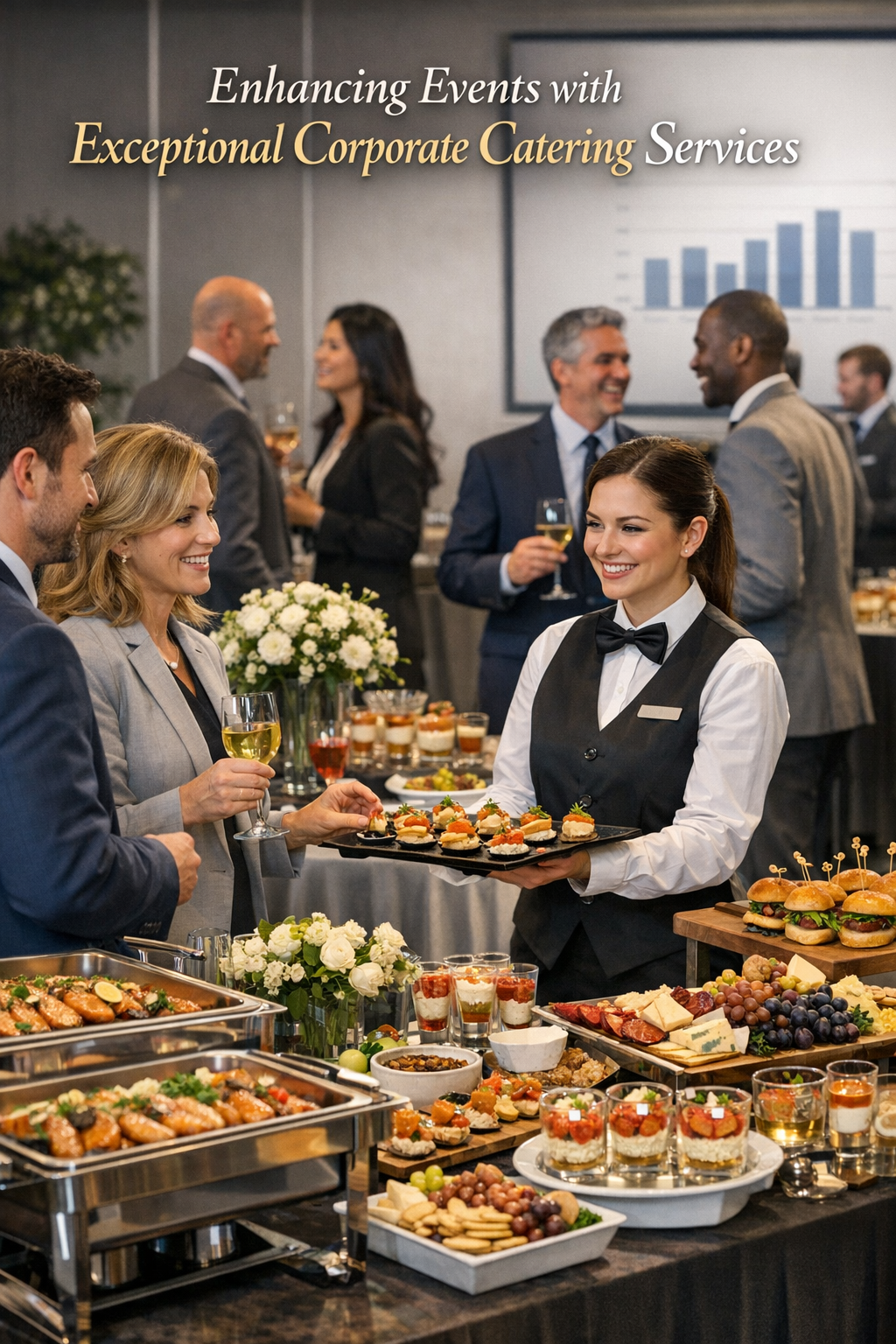
They say we eat first with our eyes, and in corporate catering, presentation is half the battle won. The aesthetic appeal of dishes can significantly influence guests’ perceptions and enjoyment. Elegant platings, vibrant colors, and artistic arrangements transform food into an experience rather than simply a meal. High-quality caterers prioritize presentation, understanding that the visual aspect complements the flavor. Employing creative serving styles such as interactive food stations or buffet layouts adorned with fresh herbs and garnishes can entice guests and encourage them to engage with the culinary offerings fully. Furthermore, these striking presentations provide excellent photo opportunities, which is particularly engaging in an era where social sharing is commonplace. Ultimately, the aesthetic appeal reinforces the message that the event is significant and thoughtfully planned.
Strategic Planning for Event Success: The Caterer’s Perspective
Understanding Your Audience: Catering to Different Tastes
A successful corporate event hinges on its ability to resonate with the audience. Catering is no exception; understanding the tastes and preferences of attendees is vital. Organizers should conduct thorough audience research that goes beyond general demographics. Utilizing surveys or focus groups can uncover specific preferences, cultural nuances, and even culinary trends. A comprehensive understanding of the audience allows caterers to tailor menus that not only please the palate but also reflect the event’s purpose. It also opens the door to innovative offerings that may include fusion dishes or inspired cuisine meant to surprise and excite attendees. Ultimately, by aligning catering options with audience insights, the event creates a more personalized, impactful experience.
Timely Execution: The Secret Ingredient for Flawless Events
In the fast-paced environment of corporate events, time is a critical component. Late arrivals, meal delays, or miscommunications can quickly derail even the best plans. A catering service’s ability to execute timely meal service is often what sets the tone for the entire event. This entails meticulous logistical planning, from the alignment of service staff to the timing of food preparation. Front-of-house staff should be well-trained to manage the flow of food, while back-of-house operations must work seamlessly to ensure that each dish emerges at peak freshness and temperature. Additionally, establishing contingency plans for unforeseen issues, such as last-minute dietary adjustments, showcases a caterer’s professionalism and preparedness. In essence, timely execution can be viewed as the backbone of a successful catering operation, reinforcing the event’s overall success.
Budgeting Wisely: How to Get the Best Bang for Your Buck
Corporate event budgets are often scrutinized, and finding balance between quality and cost-effectiveness is imperative in catering. A comprehensive approach to budgeting includes not only the estimated expenditures for food and service but also other associated costs like equipment rental, staffing, and decor. Engaging with caterers who provide flexible pricing models like tiered packages or à la carte options can help organizations maximize their budgets. This means prioritizing core offerings while remaining open to optional enhancements that can elevate the experience without excessive costs. Building strong relationships with catering services can also yield discounts or better rates, particularly for repeat business. The goal is to achieve a balance that satisfies both the event’s dining needs and budgetary restrictions, ensuring a win-win scenario.
Seasonal and Sustainable Choices: Catering for the Conscious Consumer
The Benefits of Local Sourcing: Freshness in Every Bite
As sustainability becomes increasingly important in corporate social responsibility, local sourcing of ingredients has emerged as a critical consideration for catering services. Partnering with local farmers and suppliers not only ensures freshness but also supports regional economies. Seasonal ingredients are typically of higher quality and flavor, allowing caterers to craft menus that are dynamic and reflective of the time of year. This practice lowers food transport emissions, reduces packaging waste, and fosters a connection between diners and the origins of their food. Moreover, leveraging local culinary specialties can amplify a sense of place for the event adding a unique character that guests can appreciate. In today’s conscious consumer landscape, making sustainable choices elevates the catering experience to reflect corporate values that prioritize environmental stewardship.
Embracing Seasonality: Crafting Menus that Celebrate Nature
Crafting seasonal menus enables caterers to create dishes that not only captivate but also embrace the bounties of nature. Seasonal cooking encourages a menu focus that can evolve with each time of year, allowing companies to highlight fresh produce, meats, and fish that represent the specific seasons. For example, a spring menu might feature light and vibrant dishes adorned with fresh herbs, while a winter menu can delve into hearty comfort foods like root vegetables and warming spices. These shifting offerings also allow caterers to innovate continually, experiment with new recipes, and promote local gastronomy. This approach cultivates an appreciation for the changing seasons and can even serve as a conversation starter among guests, a testament to the thoughtful planning behind the event’s food.
Eco-Friendly Practices: Catering with a Conscience
Amid rising ecological concerns, catering businesses are increasingly adopting eco-friendly practices that resonate with clients and attendees alike. This encompasses everything from using biodegradable plates and utensils to minimizing food waste through careful planning. Implementing systems for composting and recycling during events can significantly lessen the carbon footprint associated with catering. Additionally, caterers are using energy-efficient appliances and exploring innovative techniques like farm-to-table sourcing, which strengthens community relationships while reducing environmental impact. Effective communication of these sustainable strategies enhances a company’s brand image and strengthens their standing with environmentally-conscious clients, creating a positive feedback loop that contributes to a more sustainable future.
Interactive Catering: Engaging Your Guests in Unique Ways
Food Stations and Live Cooking: A Feast for All Senses
Taking catering beyond the traditional plated service and offering interactive food stations can turn a meal into an engaging experience. These stations encourage guests to explore flavors and techniques through various culinary displays. Imagine a live cooking station where chefs prepare dishes on the spot, allowing attendees to savor the aroma and conversation that surrounds the preparation process. This immersive interaction not only entertains but also encourages networking as guests congregate around cooking stations. In addition, food stations that feature diverse cuisines foster inclusivity, allowing everyone to find something they love. Each dish can tell a story about its origin turning a meal into an educational experience while tantalizing the taste buds.
Themed Events: How to Curate a Memorable Culinary Journey
Themed events offer a chance for caterers to create cohesive culinary experiences that transport attendees. Whether through global cuisine nights, food pairings, or holiday celebrations, a strong theme can enhance the overall event’s allure. This encourages catering teams to be adventurous in their menu selections, showcasing a variety of dishes that represent a specific culture, region, or season. Curating a culinary journey can involve traditional recipes, adapted to modern tastes, or creative interpretations of classic dishes. Themed events not only create memorable dining experiences but also evoke a sense of excitement and anticipation, reinforcing the effort to provide more than just a meal; they deliver an unforgettable experience.
Incorporating Technology: Food Apps and Virtual Experiences for Events
In an increasingly digital world, catering is evolving to incorporate technology in innovative ways. From food apps that allow guests to pre-order meals to virtual experiences that enhance the dining journey, technology can streamline the event’s catering operations. AR (augmented reality) menus could provide engaging and interactive previews of dishes, enhancing the decision-making process. Virtual cooking classes allow guests to replicate favorite dishes at home, deepening their connection to the event. As more attendees expect a seamless blend of physical and digital experiences, embracing technology can distinguish a company’s events from the rest, enhancing guest satisfaction while marrying culinary delights with modern capabilities.
Conclusion
The landscape of corporate catering is evolving, blending culinary artistry with strategic planning and sustainable practices. Exceptional corporate catering enriches events, creating memorable experiences that extend beyond the dining table. By embracing creativity, understanding dietary needs, and incorporating innovative ideas, caterers can leave a lasting impression on attendees. As companies continue to prioritize sustainability and inclusivity, the future of corporate catering promises to be more than a meal; it is about crafting connections, celebrating diversity, and fostering a sense of community through food. By investing in these principles, businesses can enhance their events and elevate their brand, ultimately leading to greater employee engagement and satisfaction.
