
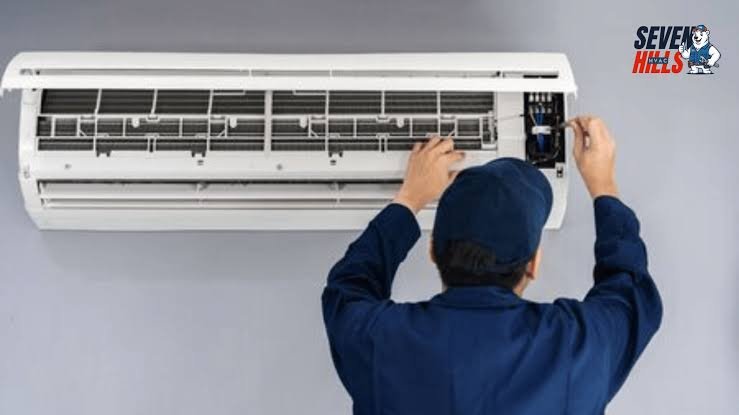
An air conditioner does not last forever. Even a well-maintained system can eventually reach a point where repeated repairs are no longer the most practical option. Knowing when to repair and when to consider replacement can help homeowners avoid unnecessary costs and unexpected cooling problems.
For homeowners dealing with ongoing cooling issues, AC repair in Wilmington, NC can often restore comfort when the problem is straightforward. However, some warning signs suggest that the system may be approaching the end of its useful life. Recognising these signs early can make the decision easier.
Frequent Repairs Are Becoming the Norm
Occasional repairs are a normal part of owning an air conditioner. However, frequent breakdowns can become frustrating and expensive.
If the same system needs attention several times, look at the bigger picture rather than focusing on the latest fault. AC repair in Wilmington, NC may address the immediate problem, but a series of repairs may indicate that multiple components are beginning to wear out.
Consider:
- How often the system has needed repairs
- Whether different components are failing
- How much has already been spent on repairs
- Whether problems are becoming more frequent
A qualified technician can assess the system and explain whether another repair is sensible or whether replacement deserves consideration.
Your AC Is Struggling to Keep You Comfortable
An air conditioner should provide consistent cooling throughout the home. If some rooms remain warm while others feel comfortable, there may be an issue with airflow, system performance or the equipment itself.
Weak airflow, long cooling cycles and frequent temperature adjustments can also indicate that the system is struggling to meet demand. These symptoms do not automatically mean replacement is necessary, as maintenance or a specific repair may resolve them. Still, persistent problems deserve a closer inspection.
Pay Attention to Changing Performance
Homeowners often notice gradual changes before a major failure occurs. The system may take longer to cool the house, run more often or struggle during particularly warm weather.
These changes are worth reporting rather than waiting for the unit to stop working completely. Early assessment can help clarify whether the problem is minor or part of a larger decline in performance.
Energy Bills Are Increasing Without a Clear Reason
Higher energy costs can have many causes, including changes in usage, weather and electricity rates. However, an ageing or poorly performing AC system can also require more energy to maintain the desired temperature.
If your cooling habits have stayed relatively consistent but energy use has noticeably increased, have the system inspected. A professional can look for issues affecting performance and determine whether repair, maintenance or replacement is the better long-term option.
The System Is Showing Signs of Age
Every air conditioner has a limited service life. As equipment gets older, finding replacement parts or keeping up with repairs may become more difficult.
Age alone should not determine whether an AC system is replaced. A well-maintained older unit may continue to perform reliably. However, age combined with repeated repairs, declining comfort and poor performance can make replacement more attractive.
A professional evaluation can help homeowners compare the likely cost of continued repairs with the benefits of installing a newer system.
There Are Persistent Moisture or Refrigerant Problems
Water around an indoor AC unit should not be ignored. Likewise, signs that the system is not maintaining normal cooling performance require attention.
Some problems can be repaired, while others may point to more significant equipment or installation issues. Rather than repeatedly treating the visible symptom, identify the underlying cause before deciding what to do next.
Should You Repair or Replace Your AC?
There is no single answer for every home. The right choice depends on the condition of the equipment, the nature of the problem and the expected cost of keeping the system running.
When making the decision, consider:
- The frequency and cost of recent repairs
- The system’s overall condition
- Changes in cooling performance
- Increasing energy consumption
- Whether replacement parts are readily available
- Your long-term plans for the property
Getting a professional assessment can provide useful information before making a significant investment.
Final Thoughts
An AC problem does not automatically mean you need a new system. Many faults can be repaired effectively. However, repeated breakdowns, declining performance, rising energy use and persistent comfort problems may indicate that continued repairs are no longer the best approach.
The key is to look beyond the immediate fault. A proper assessment can help you understand the condition of your system and make a practical decision based on reliability, comfort and long-term value.
