
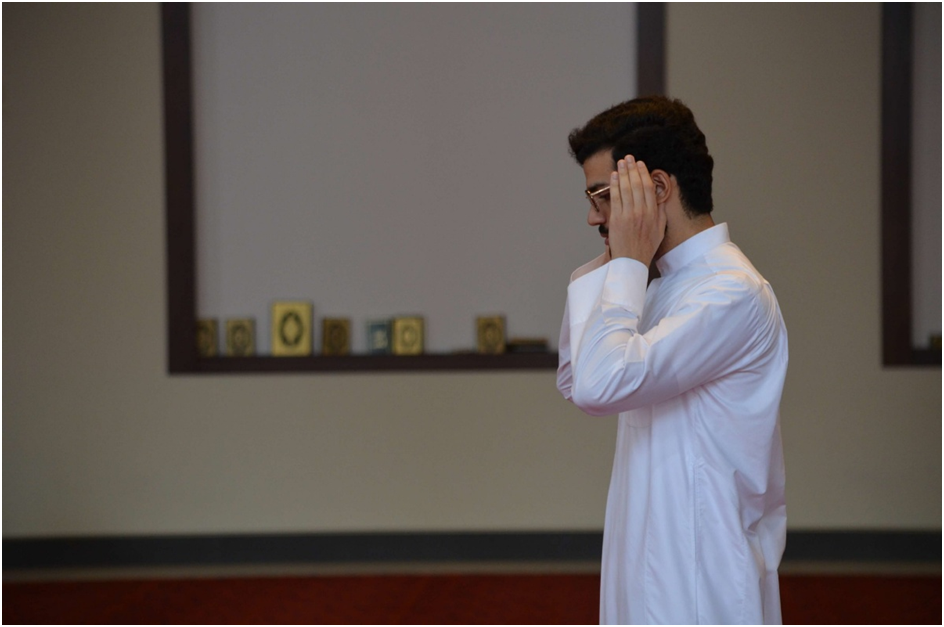
Al-Dirassa is committed to offering affordable and organized Islamic education to all learners irrespective of the level. To individuals who want to further develop knowledge and skills in prayer, online tajweed course provides a more effective and convenient way to learn how to pray in Arabic. The course will enable the learners to gain confidence, fluency, and a greater spiritual connection to every recitation by adhering to proper pronunciation, rhythm, and meaning.
Why is it important to say prayers rightly in my day-to-day life?
Pronunciation is not a trivial matter of worship in the Islamic religion. Even a minor alteration in sound will cause a total shift in meaning. Praying in Arabic with the correct tajweed will make sure that every letter receives its due right. This is particularly crucial to nonnative speakers. With the pronunciation increases, attention is also better. The prayer is more deliberate, relaxed. It ceases to experience the rustiness and begins to experience the significance even in the daily hectic lives.
Tajweed Beyond the Basic Reading.
Tajweed is misinterpreted as complex or only meant to be done by the higher-grade learners. The fact is, it is nothing but the art of right recitation. A course on tajweed online divides these rules into lessons. You get to know where to start the sounds, when to prolong vowels and when to breath. The basis aids learners to read fluently, without guessing. This makes recitation easy and not memorized over time.
Adaptability That Suits Contemporary Life.
Time is one of the factors that prevents all from attending physical classes regularly. Online education eliminates that impediment. An online tajweed course means that lessons can be accommodated according to work, studies or family. You have an opportunity to listen to the records again, slow down and learn at a pace that suits you. This is particularly beneficial to the adults who wish to learn how to do the praying in Arabic without the feeling of being overwhelmed or judged in the classroom setting.
Developing Confidence by Direct Instruction.
Some learners are afraid of making errors, and they do not prefer to recite. Ordered guidance alterations alter that. The feedback in the form of steps assists learners in identifying the error at an early stage. The stronger the confidence, the less strained the recitation becomes. When people learn to pray in Arabic in this manner, it lowers the levels of anxiety and develops a feeling of achievement. It is through practice that learners start to perceive themselves as improving, and this will be a great boost.
Building a Bridge between Meaning and Sound.
Recitation is correctness, which leads to more insight. Meanings are brought nearer when sounds are intelligible. An online tajweed course usually integrates pronunciation and mere explanations so that the learners can reflect during recitation. Such a relationship makes prayer a habit rather than a meditative action. Learners do not move through verses; they stop to comprehend and experience what they are saying in every single prayer unit.
One of the Long-term capabilities that increase with you.
Tajweed is not a skill that is repeated. It is a practice that builds up. It is better to learn the prayer in Arabic properly at a young age because once acquired, it will be hard to change. With time, students will realize that the fluency level in not only prayer, but also the recitation of the Quran has improved. Online tajweed course offers long-term development without pressure and unrealistic expectations through its structured approach.
Conclusion
Knowing how to recite clearly and confidently is not a race, but rather a journey. With proper pronunciation, comprehension and gradual improvement, learners develop a better relationship with their prayer. An online tajweed training provides a balanced and realistic method of enhancing prayer in the Arabic language without interference with the daily routine. Al-dirassa.com offers a reflective introduction to this purposeful journey to those who want to be guided in their learning and
