
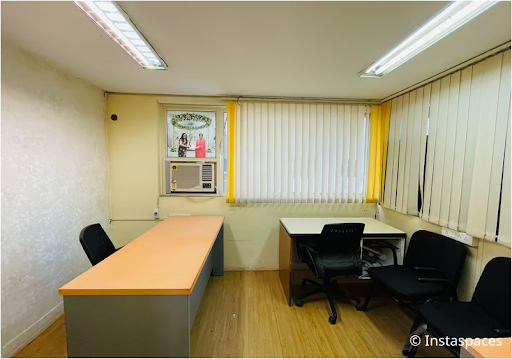
The rise of remote work has changed how businesses operate—but regulatory frameworks still expect a stable business identity. GST registration, in particular, requires a verifiable address, even if a company’s workforce is distributed across cities or countries.
To meet this requirement, many founders are incorporating virtual office infrastructure directly into their compliance strategy. Platforms such as InstaSpaces have become part of this shift, enabling businesses to register under GST without physical offices.
Understanding GST Registration in Remote-First Businesses
GST systems are digital, but approvals depend heavily on physical address verification. Authorities need assurance that a business has a legitimate base for correspondence, audits, and legal accountability.
Virtual offices act as the official interface between businesses and regulators, ensuring:
- Address validity
- Documentation consistency
- Reliable communication channels
This structure allows remote businesses to operate legally without compromising flexibility.
Why Location Strategy Still Matters Under GST
GST registration must align with the state from which services or goods are supplied. Choosing the right location supports smoother compliance and future expansion.
For businesses operating in the Delhi-NCR ecosystem, using a virtual office in Gurugram for GST registration offers access to a major corporate hub while maintaining a remote operational model.
This is particularly useful for service providers, consultants, and startups serving enterprise clients.

Long-Term Compliance Benefits
Virtual office–based GST registration offers continuity through:
- Address stability
- Easier amendments
- Fewer audit disruptions
- Consistent filing records
As businesses grow, this stability reduces compliance risk and administrative overhead.
GST Compliance as a Growth Enabler
Being GST-registered allows businesses to:
- Work with corporate clients
- Claim input tax credits
- Expand across states
- Participate in formal procurement systems
Virtual offices make these opportunities accessible even at early stages.
Conclusion
Remote work may define how businesses operate, but compliance defines how they grow. Virtual offices provide the structure needed to register under GST while supporting modern, flexible business models.
For founders planning sustainable growth, virtual office–based GST compliance is becoming the norm
